LBSL Research

Although LBSL was first discovered in 2004, meaningful studies of the DARS2 gene — which determines LBSL — were not published until 2012. As a result of our efforts, the first comprehensive LBSL research program launched in 2016 at Kennedy Krieger Institute in Baltimore. Today, we support LBSL research around the world.

Natural History Studies

Cure LBSL helped launch the first natural history study of LBSL in 2018, and international natural history study sites have since opened in Finland and the Netherlands. These studies are critical for researchers to learn more about the disease’s progression — and help establish meaningful outcomes for clinical trials in potential therapies.

United States​

While this study is run by Kennedy Krieger Institute in Baltimore, you can participate in this natural history study from your own home! Learn more here!

Netherlands​

This study is run by Academisch Medisch Centrum - Universiteit van Amsterdam in Amsterdam and is open to individuals age 16 and up. Learn more here!

Finland​

This natural history study is run by University of Helsinki in Helsinki. Learn more here!
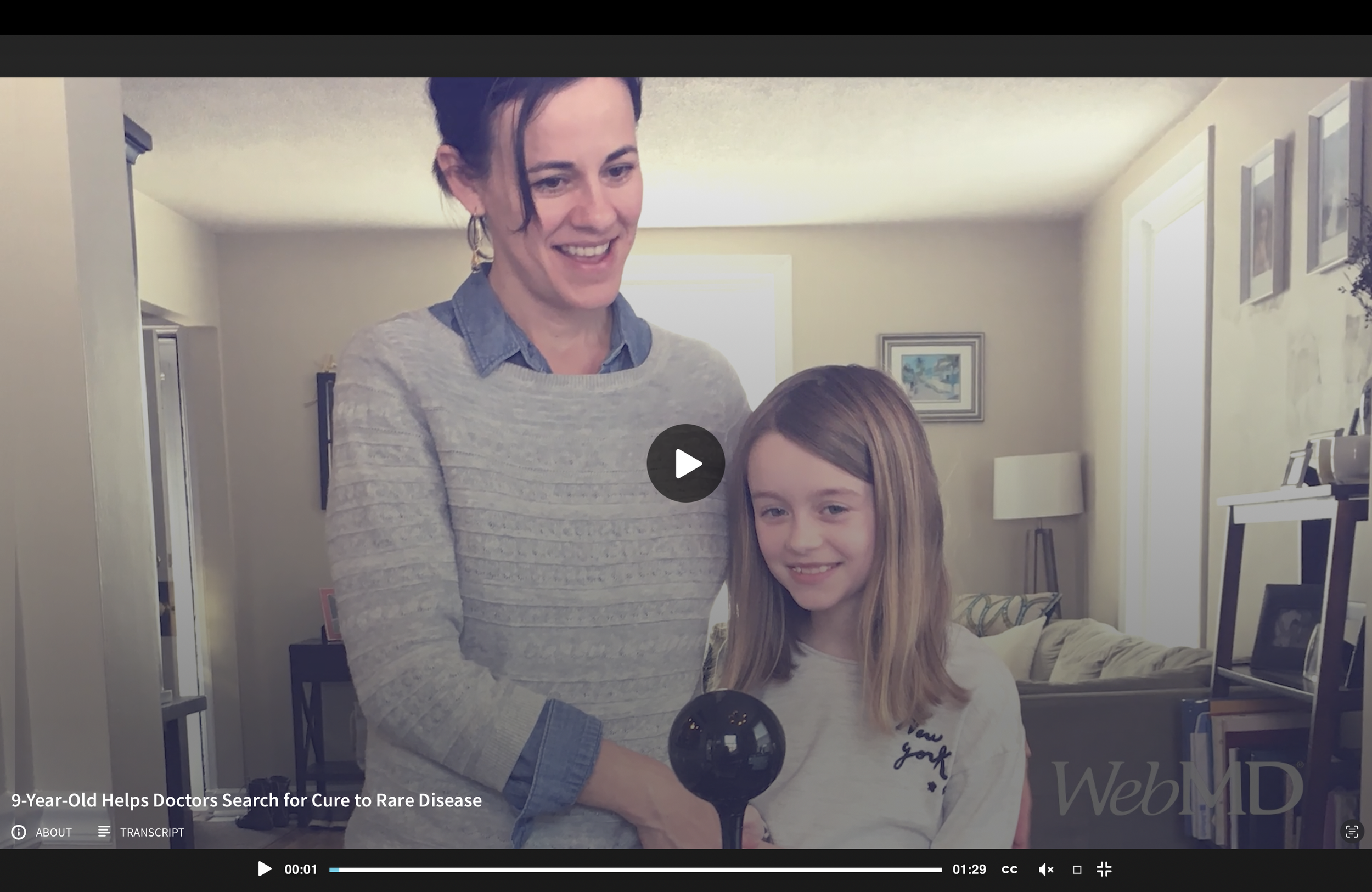
Cure LBSL produced this video for WebMD about the LBSL natural history study in the U.S.

Other Studies

Here are a few studies that enroll LBSL patients. Note: This list is not comprehensive!

MINI Study

The Metabolism, Infection and Immunity (MINI) Study is a longitudinal natural history study at the National Institutes of Health (NIH) in Bethesda, Md., that aims to define the relationship between infection, immunity and clinical decline in individuals with mitochondrial disease. Learn more here!

Genetic and Physical Study of Childhood Nerve and Muscle Disorders

The Genetic and Physical Study of Childhood Nerve and Muscle Disorders at NIH in Bethesda, Md., aims to more about genetic nerve and muscle disorders that start in childhood. Learn more here!

LBSL Research Centers

Kennedy Krieger Institute

Since 2016 the research team at the Moser Center for Leukodystrophies at the Kennedy Krieger Institute in Baltimore, Maryland has made major progress in understanding of the disease process involved in DARS2 gene function and are gearing towards therapeutic targets for LBSL. The team has been working on human observational studies, as well as animal and cell studies testing several therapeutic strategies. The studies utilize wearable technology, neuroimaging, and machine learning methodologies. To summarize, scientists have made several new discoveries and believe that they are on the right path towards identifying therapeutics that they can then push forward towards clinical trials. All thanks to your donations!

Research Updates from Kennedy Krieger: 2024 , March 2023, October 2023, 2022 , 2021 , 2020, 2019, 2018

Children’s Hospital of Philadelphia

Cure LBSL has joined forces with CureARS to fund a pre-clinical research project with the Mitochondrial Medicine Frontier Program at Children’s Hospital of Philadelphia (CHOP). The aim of this innovative research is to establish and study a full set of animal models for all 19 mitochondrial aminoacyl tRNA synthetase producing genes ("ARS genes" like DARS2 involved in LBSL) and to evaluate potential therapies in these models via high-throughput screening. Drug repurposing involves the study of existing drugs and using them for a medical condition different from what they were originally developed. This strategy offers an expedited and cost saving route to developing new clinical treatments in comparison to traditional drug development. High-throughput screening for this project will examine several thousand already approved FDA drugs and natural product compounds to test their comparative safety and effectiveness.

Select LBSL Publications

Mutations in DARS2 Result in Global Dysregulation of mRNA Metabolism and Splicing

Year: 2023
Authors: Shiqi Guang, Brett M. O'Brien, Amena Smith Fine, Mingyao Ying, Ali Fatemi, Christina L. Nemeth
Journal: Nature - Scientific Reports 
Link: https://pubmed.ncbi.nlm.nih.gov/37563224

Wearable Sensors Detect Impaired Gait and Coordination in LBSL During Remote Assessments

Year: 2022
Authors: Amena Smith Fine, Miriam L. Kaufman , Jordan Goodman, Bela Turk, Amy Bastian, Doris Lin, Ali Fatemi, Jennifer Keller
Journal: Annals of Clinical and Translational Neurology 
Link: https://www.ncbi.nlm.nih.gov/pmc/articles/PMC8994975

The Leukodystrophies HBSL and LBSL - Correlates and Distinctions

Year: 2020
Authors: Annapoorani Muthiah, Gary D. Housley,  Matthias Klugmann, Dominik Fröhlich
Journal: Frontiers in Cellular Neuroscience 
Link: https://www.ncbi.nlm.nih.gov/pmc/articles/PMC7870476

Mitochondrial Aminoacyl-tRNA Synthetase Disorders: An Emerging Group of Developmental Disorders of Myelination

Year: 2019
Authors: Amena Smith Fine, Christina L. Nemeth, Miriam L. Kaufman , Ali Fatemi 
Journal: Journal of Neurodevelopmental Disorders 
Link: https://rdcu.be/c2Urk

Leukoencephalopathy with Brainstem and Spinal Cord Involvement and Lactate Elevation: Clinical and Genetic Characterization and Target for Therapy

Year: 2014
Authors: Laura van Berge,  Eline M Hamilton,  Tarja Linnankivi,  Graziella Uziel,  Marjan E Steenweg,  Pirjo Isohanni,  Nicole I Wolf,  Ingeborg Krägeloh-Mann,  Nils J Brautaset,  P Ian Andrews, Brigit A de Jong,  Malak al Ghamdi,  Wessel N van Wieringen,  Bakhos A Tannous,  Esther Hulleman,  Thomas Würdinger,  Carola G M van Berkel,  Emiel Polder,  Truus E M Abbink,  Eduard A Struys,  Gert C Scheper,  Marjo S van der Knaap, LBSL Research Group
Journal: Brain
Link: https://academic.oup.com/brain/article/137/4/1019/369983

A New Leukoencephalopathy with Brainstem and Spinal Cord Involvement and High Lactate (2003)

Journal: Annals of Neurology
Authors: Marjo S. Van Der Knaap MD, PhD,  Patrick Van Der Voorn MD,  Frederik Barkhof MD, PhD,  Rudy Van Coster MD, PhD,  Ingeborg Krägeloh-Mann MD,  Annette Feigenbaum MD,  Susan Blaser MD,  Johan S. H. Vles MD, PhD,  Peter Rieckmann MD,  Petra J. W. Pouwels PhD
 
Link: https://onlinelibrary.wiley.com/doi/10.1002/ana.10456